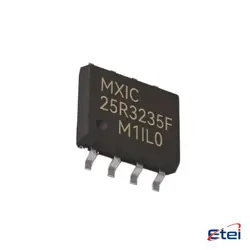
Hình ảnh chỉ để tham khảo
74S175FM
+BOMD FLIP-FLOP
-
Nhà sản xuấtBán dẫn quốc gia
-
Ông. Phần #74S175FM
-
Có sẵn2839
365 Đảm bảo chất lượng ngày
7*24 giờ dịch vụ quarantee
90-Bảo hành sau bán hàng ngày
Bảo hành sản phẩm chính xác
Thông số kỹ thuật
| thuộc tính | Giá trị |
| Package | Bulk |
| ProductStatus | Active |
Tổng quan
Description
The 74S175FM is a quad D-type flip-flop integrated circuit commonly used in digital electronics. It features four flip-flops, each with individual D (data), clock, preset, and clear inputs, alongside complementary outputs. This device is designed for high-speed operations and is part of the 74S series, which is known for its Schottky TTL (Transistor-Transistor Logic) technology, offering faster switching times compared to standard TTL.
Key features of the 74S175FM include:
1. High-Speed Performance: Faster operation due to Schottky clamping.
2. Synchronous Operation: All flip-flops are clocked simultaneously, ensuring coordinated data transfer on the rising edge of the clock signal.
3. Asynchronous Inputs: Preset and clear functions allow for individual or simultaneous control of flip-flop states independent of the clock.
4. Complementary Outputs: Each flip-flop provides both true (Q) and inverted (\(\overline{Q}\)) outputs, facilitating both direct and complementary data paths.
5. Standard Pin Configuration: Compatible with other 74-series logic devices for easy integration.
The 74S175FM is widely used in applications requiring reliable data storage and transfer, such as registers, buffers, and counters.
Key features of the 74S175FM include:
1. High-Speed Performance: Faster operation due to Schottky clamping.
2. Synchronous Operation: All flip-flops are clocked simultaneously, ensuring coordinated data transfer on the rising edge of the clock signal.
3. Asynchronous Inputs: Preset and clear functions allow for individual or simultaneous control of flip-flop states independent of the clock.
4. Complementary Outputs: Each flip-flop provides both true (Q) and inverted (\(\overline{Q}\)) outputs, facilitating both direct and complementary data paths.
5. Standard Pin Configuration: Compatible with other 74-series logic devices for easy integration.
The 74S175FM is widely used in applications requiring reliable data storage and transfer, such as registers, buffers, and counters.
Equivalent
The 74S175FM is a quad D-type flip-flop with clear. Equivalent products include:
1. 74LS175
2. 74HC175
3. CD74ACT175
4. SN74S175N
These chips are from different manufacturers and may have slight variations in specifications, so it's important to review the datasheets to ensure compatibility with your specific application.
1. 74LS175
2. 74HC175
3. CD74ACT175
4. SN74S175N
These chips are from different manufacturers and may have slight variations in specifications, so it's important to review the datasheets to ensure compatibility with your specific application.
Features
The 74S175FM is a high-speed quad D-type flip-flop integrated circuit featuring four flip-flops with individual D inputs and complementary Q and Q' outputs. It operates as a synchronous flip-flop, meaning that changes at the D inputs are transferred to the outputs on the rising edge of the clock (CP) signal. Key features include:
1. High Speed: Part of the 74S series, it offers faster operation compared to the standard 7400 series.
2. Synchronous Operation: All flip-flops share a common clock input, ensuring synchronized data transfer.
3. Clear Functionality: Each flip-flop has an asynchronous clear (CLR) input, allowing the outputs to be reset independently of the clock.
4. Complementary Outputs: Each flip-flop provides both Q and Q' outputs.
5. Power Supply: Operates with a standard TTL power supply voltage of 5V.
6. Logic Compatibility: Compatible with TTL logic levels, suitable for interfacing with other TTL devices.
These features make the 74S175FM suitable for applications requiring high-speed data storage and transfer, such as registers and memory devices in digital systems.
1. High Speed: Part of the 74S series, it offers faster operation compared to the standard 7400 series.
2. Synchronous Operation: All flip-flops share a common clock input, ensuring synchronized data transfer.
3. Clear Functionality: Each flip-flop has an asynchronous clear (CLR) input, allowing the outputs to be reset independently of the clock.
4. Complementary Outputs: Each flip-flop provides both Q and Q' outputs.
5. Power Supply: Operates with a standard TTL power supply voltage of 5V.
6. Logic Compatibility: Compatible with TTL logic levels, suitable for interfacing with other TTL devices.
These features make the 74S175FM suitable for applications requiring high-speed data storage and transfer, such as registers and memory devices in digital systems.
Pinout
The 74S175FM is a quad D-type flip-flop with complementary outputs. It is part of the 74S series of TTL logic ICs. This chip contains four flip-flops and is designed to store and transfer data. Each flip-flop has a data input (D), a clock input (CLK), a direct clear input (CLR), and complementary outputs (Q and Q̅). The chip typically uses a positive edge-triggered mechanism for the clock input.
The 74S175FM comes in a 16-pin package. Here is a brief overview of its pin configuration:
1. Q1 - Output of the first flip-flop
2. Q̅1 - Complementary output of the first flip-flop
3. D1 - Data input for the first flip-flop
4. CLR - Active-low clear input
5. CLK - Clock input
6. D2 - Data input for the second flip-flop
7. Q̅2 - Complementary output of the second flip-flop
8. Q2 - Output of the second flip-flop
9. GND - Ground
10. Q3 - Output of the third flip-flop
11. Q̅3 - Complementary output of the third flip-flop
12. D3 - Data input for the third flip-flop
13. D4 - Data input for the fourth flip-flop
14. Q̅4 - Complementary output of the fourth flip-flop
15. Q4 - Output of the fourth flip-flop
16. VCC - Power supply voltage
This configuration allows the 74S175FM to perform data storage and transfer operations in digital circuits.
The 74S175FM comes in a 16-pin package. Here is a brief overview of its pin configuration:
1. Q1 - Output of the first flip-flop
2. Q̅1 - Complementary output of the first flip-flop
3. D1 - Data input for the first flip-flop
4. CLR - Active-low clear input
5. CLK - Clock input
6. D2 - Data input for the second flip-flop
7. Q̅2 - Complementary output of the second flip-flop
8. Q2 - Output of the second flip-flop
9. GND - Ground
10. Q3 - Output of the third flip-flop
11. Q̅3 - Complementary output of the third flip-flop
12. D3 - Data input for the third flip-flop
13. D4 - Data input for the fourth flip-flop
14. Q̅4 - Complementary output of the fourth flip-flop
15. Q4 - Output of the fourth flip-flop
16. VCC - Power supply voltage
This configuration allows the 74S175FM to perform data storage and transfer operations in digital circuits.
Manufacturer
The 74S175FM is a part of the 74S series of integrated circuits, which are typically manufactured by various semiconductor companies. In the past, this series has been produced by major companies like Texas Instruments, Fairchild Semiconductor (now part of ON Semiconductor), and NXP Semiconductors, among others. These companies are well-known in the electronics industry for designing and manufacturing a wide range of semiconductor devices, including microcontrollers, processors, and various integrated circuits.
The 74S175FM specifically is a quad D-type flip-flop with complementary outputs, used in digital circuits for storage and transfer of data. Companies that manufacture such components are usually involved in the broader semiconductor industry, which plays a critical role in producing the building blocks for electronic devices. These manufacturers focus on developing components for applications across consumer electronics, automotive, industrial, and other sectors, providing essential technologies for computing, telecommunications, and various digital systems.
The 74S175FM specifically is a quad D-type flip-flop with complementary outputs, used in digital circuits for storage and transfer of data. Companies that manufacture such components are usually involved in the broader semiconductor industry, which plays a critical role in producing the building blocks for electronic devices. These manufacturers focus on developing components for applications across consumer electronics, automotive, industrial, and other sectors, providing essential technologies for computing, telecommunications, and various digital systems.
Application
The 74S175FM is a quad D-type flip-flop integrated circuit, primarily used in digital circuits for data storage and transfer. Its applications include:
1. Data Storage: Temporary storage of binary data in registers.
2. Data Synchronization: Ensuring data is synchronized with a clock signal in sequential circuits.
3. State Machines: Used in designing finite state machines for controlling sequences of operations.
4. Shift Registers: Facilitating data shifting operations in serial-to-parallel or parallel-to-serial conversions.
5. Counters: Implementing simple binary counters in digital systems.
These flip-flops are essential in digital systems requiring precise control of data flow and timing.
1. Data Storage: Temporary storage of binary data in registers.
2. Data Synchronization: Ensuring data is synchronized with a clock signal in sequential circuits.
3. State Machines: Used in designing finite state machines for controlling sequences of operations.
4. Shift Registers: Facilitating data shifting operations in serial-to-parallel or parallel-to-serial conversions.
5. Counters: Implementing simple binary counters in digital systems.
These flip-flops are essential in digital systems requiring precise control of data flow and timing.
Package
The 74S175FM is a high-speed quad D-type flip-flop IC with a flat-pack package type. It typically features a 16-lead flat-pack design, often used in military and aerospace applications due to its robust construction and reliability in harsh environments.