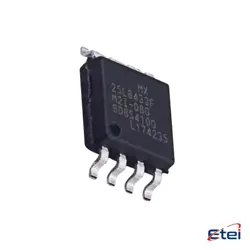
Hình ảnh chỉ để tham khảo
EP1C6Q240I7
+BOMIC FPGA 185 I/O 240QFP
-
Nhà sản xuấtAltera
-
Ông. Phần #EP1C6Q240I7
-
Bảng dữ liệu EP1C6Q240I7 DataSheet
-
Có sẵn6086
365 Đảm bảo chất lượng ngày
7*24 giờ dịch vụ quarantee
90-Bảo hành sau bán hàng ngày
Bảo hành sản phẩm chính xác
Thông số kỹ thuật
| thuộc tính | Giá trị |
| Series | Cyclone® |
| Part Status | Obsolete |
| Digi Key Programmable | Not Verified |
| Total RAM Bits | 92160 |
| Number of I/O | 185 |
| Voltage - Supply | 1.425V ~ 1.575V |
| Mounting Type | Surface Mount |
| Operating Temperature | -40°C ~ 100°C (TJ) |
| Package / Case | 240-BFQFP |
| Supplier Device Package | 240-PQFP (32x32) |
| Base Product Number | EP1C6 |
| Number of Logic Elements / Cells | 5980 |
| Number of LA Bs / CL Bs | 598 |
Tổng quan
Description
The "E" indicates it's part of the Cyclone family, while "P1" suggests it has a specific architecture optimized for performance and efficiency. The "C" represents the configuration type, and "6Q240" denotes the device’s specific capabilities, including the number of logic elements and I/O pins—240 in this case.
This FPGA supports a range of development tools and programming languages, including VHDL and Verilog, allowing for flexible design options. It is often used in educational settings, prototyping, and low to mid-range production applications due to its cost-effectiveness and ease of use. Overall, the EP1C6Q240I7 is a versatile component for various electronic design projects.
Equivalent
1. Xilinx Spartan-6 (e.g., XC6SLX25)
2. Lattice ECP2M (e.g., LCMXO2-1200)
3. Microsemi SmartFusion (e.g., M2S010)
These alternatives may vary in specific features and capabilities, so it's essential to evaluate them based on your application requirements.
Features
1. Logic Elements: It contains up to 6,000 logic elements, enabling a range of digital circuit designs.
2. Memory: Offers up to 200 Kbits of embedded memory, suitable for data storage and processing.
3. I/O Pins: Equipped with 240 I/O pins, supporting various interfacing options.
4. Performance: Capable of operating at speeds up to 200 MHz, catering to high-speed applications.
5. Low Power Consumption: Designed for low power use, making it ideal for portable and battery-operated devices.
6. Flexible Configuration: Supports multiple programming modes and can be reconfigured for different applications.
7. Integration: Often used in applications such as digital signal processing, video processing, and custom logic designs.
These features make the EP1C6Q240I7 suitable for a wide range of applications in industrial, automotive, and consumer electronics.
Pinout
The pins serve various functions, including:
1. I/O Pins: Configurable for input or output operations, supporting various voltage levels and signaling standards.
2. Power Pins: Supply power to the FPGA core and I/O banks.
3. Ground Pins: Provide a return path for electrical current.
4. Clock Pins: Used for input clock signals that synchronize the FPGA's operation.
5. Configuration Pins: Allow for programming and configuration of the FPGA at startup or during operation.
In summary, the EP1C6Q240I7 has 240 pins, serving multiple roles essential for its functionality in digital logic design and integration.
Manufacturer
Founded in 1968, Intel has played a significant role in the evolution of computer technology and is recognized as one of the leading innovators in the semiconductor industry. The EP1C6Q240I7 is part of Intel's FPGA (Field-Programmable Gate Array) product line, specifically the Cyclone series, which is used for a variety of applications in fields such as telecommunications, automotive, industrial, and consumer electronics.
Intel serves various markets, providing products that enhance computing performance and enable advanced functionalities in devices ranging from personal computers to data centers and embedded systems. As a key player in the tech industry, Intel continues to invest in research and development, driving advancements in computing technology.
Application
1. Embedded Systems: For custom control logic and data processing.
2. Consumer Electronics: In products like TVs and audio systems for signal processing.
3. Industrial Automation: For controlling machinery and automation systems.
4. Telecommunications: In networking equipment for data routing and traffic management.
5. Automotive: For infotainment systems and advanced driver-assistance systems (ADAS).
6. Test and Measurement: In equipment for enhancing performance and flexibility.
Its low power consumption and versatility make it suitable for diverse applications.