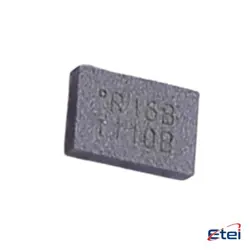
Hình ảnh chỉ để tham khảo
H11D1SR2M
+BOMOPTOISO 4.17KV TRANS W/BASE 6SMD
-
Nhà sản xuấtonsemi
-
Ông. Phần #H11D1SR2M
-
Bảng dữ liệu H11D1SR2M DataSheet
-
Có sẵn12098
365 Đảm bảo chất lượng ngày
7*24 giờ dịch vụ quarantee
90-Bảo hành sau bán hàng ngày
Bảo hành sản phẩm chính xác
Thông số kỹ thuật
| thuộc tính | Giá trị |
| Part Status | Active |
| Number of Channels | 1 |
| Voltage - Isolation | 4170Vrms |
| Current Transfer Ratio (Min) | 20% @ 10mA |
| Turn On / Turn Off Time (Typ) | 5µs, 5µs |
| Input Type | DC |
| Output Type | Transistor with Base |
| Voltage - Output (Max) | 300V |
| Current - Output / Channel | 100mA |
| Voltage - Forward (Vf) (Typ) | 1.15V |
| Current - DC Forward (If) (Max) | 80 mA |
| Vce Saturation (Max) | 400mV |
| Operating Temperature | -40°C ~ 100°C |
| Mounting Type | Surface Mount |
| Package / Case | 6-SMD, Gull Wing |
| Supplier Device Package | 6-SMD |
| Base Product Number | H11D1 |
Tổng quan
Description
Equivalent
1. H11D1 by Lite-On, Vishay, and ON Semiconductor.
2. H11D2 by various manufacturers, though it might have different current transfer ratios.
3. 4N32 or 4N33 which are similar photodarlington optocouplers.
4. TIL113 by Texas Instruments.
Ensure to compare specifications like CTR, isolation voltage, and package type for compatibility.
Features
1. Input and Output Isolation: Provides electrical isolation between input and output, protecting sensitive components from high voltages.
2. Phototransistor Output: Utilizes a phototransistor for output, which is activated by an LED light source within the device.
3. High Isolation Voltage: Typically offers isolation voltages up to 5000 Vrms, suitable for safety in high-voltage applications.
4. Fast Switching: Designed for efficient signal transmission with quick response times.
5. Compact Package: Usually comes in a small DIP (Dual In-line Package) for easy integration into circuit boards.
6. Wide Operating Temperature Range: Can function effectively across a broad range of temperatures, accommodating various environmental conditions.
7. Low Input Current Requirement: Requires minimal current to activate the internal LED, making it energy-efficient.
These characteristics make the H11D1SR2M suitable for applications such as signal isolation, interfacing different voltage levels, and protecting sensitive components in telecommunications, industrial, and consumer electronics.
Pinout
1. Pin 1 (Anode): Connects to the positive side of the input signal to activate the LED within the optocoupler.
2. Pin 2 (Cathode): Connects to the negative side of the input signal, completing the circuit for the internal LED.
3. Pin 3 (NC - No Connection): Often not connected to any circuit; sometimes used for mechanical stability.
4. Pin 4 (Emitter): The emitter of the phototransistor, usually connected to the ground or negative side of the output circuit.
5. Pin 5 (Collector): The collector of the phototransistor, typically connected to the positive side of the output circuit or load.
6. Pin 6 (Base): Not always used, but can be connected to control or bias the phototransistor.
The optocoupler isolates different sections of a circuit by transferring electrical signals via light, providing protection against high voltages and noise.
Manufacturer
Application
1. Signal Isolation: Used in systems where noise isolation is crucial, such as industrial control systems and data communication interfaces.
2. Switching Power Supplies: Provides isolation in feedback loops for power supply regulation.
3. Microprocessor Interfacing: Ensures safe interfacing between microcontrollers and high-voltage circuits.
4. Solid-State Relays: Used in the control input side for switching electronic circuits.
5. Telecommunications: Offers noise protection and signal integrity in communication devices.
These applications leverage its ability to provide electrical isolation while transferring signals.