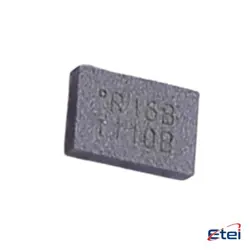
Hình ảnh chỉ để tham khảo
PA38-2
+BOMAMPLIFIER,POWER
-
Nhà sản xuấtGiải pháp công nghệ MACOM
-
Ông. Phần #PA38-2
-
Bảng dữ liệu PA38-2 DataSheet
-
Gói TO-8
-
Có sẵn10
365 Đảm bảo chất lượng ngày
7*24 giờ dịch vụ quarantee
90-Bảo hành sau bán hàng ngày
Bảo hành sản phẩm chính xác
Thông số kỹ thuật
| thuộc tính | Giá trị |
| Supplier | MACOM Technology Solutions |
| Package / Case | Tray |
| Series | PA38-2 |
| Part Status | Active |
| Frequency | 200MHz ~ 2.8GHz |
| P1d B | 23.5dBm |
| Gain | 28.5dB |
| Noise Figure | 4.5dB |
| RF Type | General Purpose |
| Voltage - Supply | 15V |
| Supply Current | 150mA |
| Test Frequency | 200MHz ~ 2.8GHz |
Tổng quan
Description
The Tomahawk features a T-tail design, low-wing configuration, and a fixed tricycle landing gear. It is powered by a 112 hp (84 kW) Lycoming O-235 engine, giving it a maximum cruise speed of approximately 112 knots. The cockpit is designed for good visibility and accessibility, making it ideal for student pilots.
It was well-received for its stall and spin training capabilities, providing a more realistic experience compared to other trainers of its time. However, production stopped in 1982, with around 2,500 units built. Despite some early criticism regarding spin recovery, it remains a popular choice for pilot training due to its affordability and straightforward flight characteristics.
Equivalent
Features
The cockpit is equipped with dual flight controls, making it suitable for both instructor and student use. The PA-38-2 usually features a relatively simple avionics suite, which may include basic navigation and communication equipment suitable for VFR (Visual Flight Rules) operations.
The aircraft's design focuses on stability and predictability, vital for trainee pilots. It offers a distinctive cabin layout with side-by-side seating, providing good outside visibility and comfort. The Tomahawk is appreciated for its benign stall characteristics and is used widely in flight schools. Although not particularly fast, it is valued for its efficiency and practicality as a training aircraft.
Manufacturer
Application
1. Automotive Industry: Used in the production of lightweight and durable components to improve fuel efficiency and performance.
2. Electronics: Applied in insulating materials and components due to its thermal stability and electrical properties.
3. Consumer Goods: Utilized in manufacturing household items that require strength and resistance to wear and tear.
4. Industrial Applications: Employed in the production of machinery parts that demand high mechanical strength and chemical resistance.
5. Aerospace: Used for components that require both lightweight properties and durability under extreme conditions.
These applications leverage its mechanical, thermal, and chemical resistance properties.